Conservation sites in Iceland are governed by three public institutions which serve under the auspices of the Ministry for the Environment. They are Þingvellir National Park, Vatnajokull National Park and the Environment Agency of Iceland which governs Snæfellsjökull National Park and other nature conservation areas.
The Environment Agency of Iceland is responsible for Snæfellsjökull National Park and other protected areas in Iceland which in the year 2020 count over 100 sites. Icelandic protected areas consist of nature reserves, natural monuments, habitat protection areas and country parks. All together, they contribute to safeguarding important wildlife, stunning landscapes, geological formations, ecosystem services and outdoor recreation.
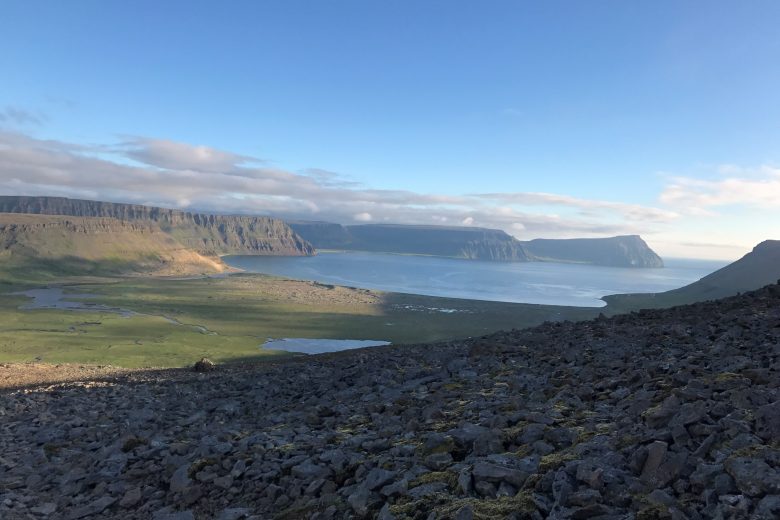
Many protected areas are popular tourist attractions as they, as a whole, are one of the main natural treasures of Iceland. Tourists are encouraged to visit accessible protected areas and enjoy what they have to offer while complying with the rules that apply to these areas. Visiting the protected areas offers a unique opportunity to experience the variety of the Icelandic wonders of nature such as wilderness, interplay between the forces of glaciers and volcanic activity, powerful waterfalls and dramatic canyons, geological formations, reindeer grazing grounds and habitats for birds and other wildlife.
For more information, please visit: Umhverfisstofnun, Environment Agency of Iceland (ust.is).
Protected Areas in Iceland

Lake Mývatn and Laxa Nature Conservation Area

Vatnajökull National Park

Fjallabak Nature Reserve
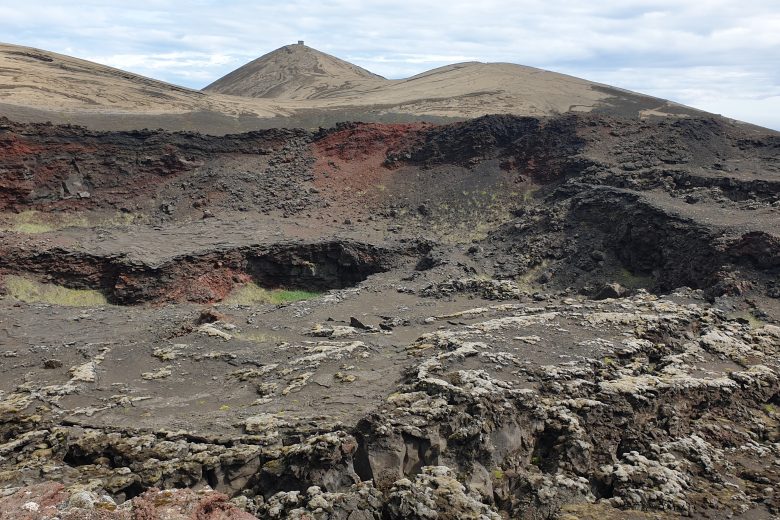
Surtsey Nature Reserve